Farm to Heart: Belonging Based Training in Area
The first time I viewed a team of unfamiliar people get to the ranch, shoulders high and eyes down, I knew we would certainly start with breath, not chat. The equines were already grazing in the lower field, snapping their ears at the wind. Within minutes of stepping through eviction, individuals searched for. Equines do that to us. They request for presence without words, and they do it kindly. What happens next is what I call belonging based training, a means of helping people locate solidity inside themselves while standing in genuine relationship with pets, land, and each other.
Belonging appears soft up until you realize how difficult it is to seem like you really belong in your own body, on a team, or with your household when stress and anxiety, injury, or a hectic mind has actually been running the program. On the farm, we develop that capacity step by concrete step. We do it through healing horsemanship and equine-assisted services that put partnership at the facility, abilities in genuine contexts, and area around the edges for security. Some folks come for equine-assisted training around management or communication. Others show up seeking equine-facilitated wellness, particularly when talk-only strategies have actually stalled. We additionally run experiential discovering with horses for institutions and work environments, and we team up on group building with steeds for companies that would rather trade another conference room for a set of curious eyes and 4 consistent hooves.
What it means to train for belonging
Coaching for belonging indicates the objective is not simply insight, it is combination. Individuals learn what they feel, what they need, and just how to straighten their actions with their worths, after that they attempt it in a living system where comments is honest. Horses align to clearness and authenticity. They disengage from blended signals, and they soften when we soften. That is the coaching arc in miniature.
I maintain two inquiries in front of me throughout sessions. First, what aids he or she feel risk-free enough to show up truthfully. Second, what makes it likely they will certainly exercise this skill in the house, job, or institution. We map sessions to life. If a parent is learning to establish restrictions without embarassment, we practice directing an equine in a rounded pen with limits that are clear and kind. If a manager has a hard time to hand over, we set up a brief training course with cones and ask a small group to obtain a horse from point A to point B without touching the rope, which forces nonverbal control and depend on. The horse increases the lesson by reflecting the team's real comprehensibility, not their stated plan.
Belonging likewise suggests broadening the circle. Some days the most healing hour gets on the barn aisle, cleaning a horse alongside a retired next-door neighbor that knows every knot in the hay internet. Shared job, light conversation, the rhythm of a soft brush on a thick wintertime layer, these are not side activities. They are the soil that feeds change.
Why horses
Horses are target animals that make it through by attuning to their setting. They check out micro-movements and physiology in such a way human beings typically override. That sensitivity is not mystical, it is exercised. When somebody with anxiousness strolls up, breath high and shallow, an equine might raise its head or step back. If that very same individual changes to a slower exhale, softens their eyes, and grounds via their feet, the equine commonly mirrors that regulation by reducing its head, licking and chewing, or closing its eyes. The biofeedback is immediate and nonjudgmental.
Their dimension matters as well. You can not fake a feeling of control next to a 1,000 extra pound partner. You need to locate it, after that interact it with quality and respect. That reality assists individuals alter their assertiveness. A teen that has actually been called bold can discover to declare space without hostility. A silent adult can trying out volume and instructions and recognize calm management does not indicate little leadership.
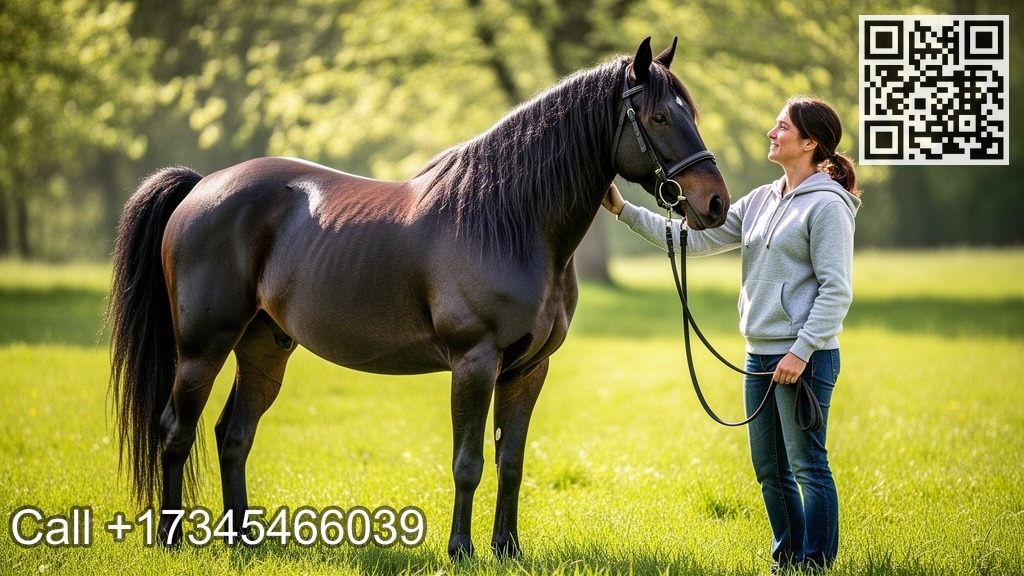
I rely on equines because they gently collapse the range in between what we believe we are doing and what we are actually doing. They brighten strengths we overlook and radiate light on behaviors that require focus. And they do it in a pasture that scents like yard, not a fluorescent area that smells like stress.
An early morning on the farm
By 8:30 a.m., the herd has submitted down from the top field to the catch pen. We greet each equine, halter those scheduled for sessions, and allow others to wander back to graze. A volunteer spreads out hay in sluggish feeders, a little detail that establishes a tranquil tone. Clients flow in by the hour. We maintain the routine roomy, since hurrying damages attunement.
One recent early morning, I worked with a 12-year-old that has ADHD. He has a hard time most with changes and impulse control at college, where a delay in directions becomes a ruptured of activity that obtains him in difficulty. We established a 20-minute task: lead our Haflinger mare through a pattern, time out at cones, after that back three steps. I provided him a remote control to mark his own stops before asking her to pause. The pairing altered whatever. His best session took place when he exercised a half-second time out, clicked, then asked. The mare mirrored him cleanly. He ended up the pattern with a smile that got to both ears. That is ADHD equine learning assistance in action: realtime feedback, a physical anchor for timing, and a companion who does not take habits personally.
Right after, an adult client came for anxiousness support with steeds. We stayed outside the pen. She stood with one foot on the rail, one on the ground, and tracked her breath while naming what she saw in the field. Her homework was to exercise the exact same position on her front step twice a day. A month later she claimed this was the very first time in years she could feel her heartbeat slow without medications. The ranch did not treat her anxiety. It gave her a repeatable, somatic doorway to regulation.
What a session looks like
Every program runs in different ways, yet this is the core flow I utilize for equine-assisted tasks and equine-facilitated mentoring. It is not rigid. We adapt for age, objectives, season, and energy.
- Arrival and positioning. We walk the room, evaluation permission and hints, confirm limits, and select a horse with each other based on the day's aims.
- Groundwork initially. We start on the ground unless there is a strong healing reason to ride. Skills include leading, producing hindquarters, support, and standing in shared stillness.
- Focused technique. We add a simple obstacle that fits the training goal, such as directing through cones, liberty operate in a tiny pen, or a grooming sequence with a particular interaction cue.
- Reflect and web link. We debrief with concrete language. What did you discover in your body. What did the horse do when you breathed out. Where does this show up in the house or work.
- Close and care. We close with three good strokes of a soft brush, supply the equine a minute to launch, and return tack neatly. Treatment routines matter. They teach completion.
On team days, this flow ranges. Teams rotate via stations, and we maintain jobs short so momentum remains high. In group building with equines, I frequently appoint a single person as the onlooker that can not talk, just record. Their notes become gold when we review whose voice filled the space and whose did not.
Ethics, security, and scope
Good ranches do not deal with steeds as tools or people as projects. They hold a solid safety and security culture and a clear scope of technique. Our technique blends therapeutic horsemanship with mental health and wellness techniques, yet we are not a healthcare facility. When clients need medical oversight, we collaborate with qualified companies. When the work is coaching instead of therapy, we mark that plainly and avoid wandering right into areas best taken care of by a clinician.
We display for warnings. Fresh head injuries, uncontrolled seizures, and severe psychosis are not proper for this setting. We check for allergic reactions, history with animals, and material use that can impair security. We additionally inquire about what assists a person relax and what does not, after that we develop from there.
Horses need treatment too. Procedure should not overload a delicate gelding or put a green mare in a leadership duty she is not ready for. We turn horses, provide downtime, track their weight and unguis, and pay attention to our wranglers when they claim an equine is tight or cranky. That is not superstitious notion, it is information from people who read the herd daily.
Somatic discovering, not just talk
I love language, yet bodies discover best by doing. Somatic healing with horses shows up in the tiny minutes. A motorcyclist notices her jaw and stomach soften when she matches the steed's stroll. A male with an injury background feels his back lengthen when he discovers a clear yes in his lead rope as opposed to a yanked command. These are not one-off wonders. They are repetitions that develop brand-new patterns. Study on heart price irregularity and co-regulation sustains what we see at the rail: when a person resolves, a horse typically works out, and the connection itself comes to be a regulator.
We name sensations and motions, not simply ideas. We look for what is too much and what is not nearly enough. We throttle strength by changing range from the steed, adjusting tasks, or moving from the open field to a smaller sized area. Somatic skills travel. A client that learns to pause and feel her feet before asking an equine to relocate can utilize the exact same hint prior to entering a hard meeting.
Neurodiversity and sensory needs
People on the spectrum and those with sensory processing differences typically prosper on farms, provided we integrate in equine assisted training online predictability and selection. Our autism equine finding out program keeps the very first visit short, 30 to 45 minutes, and stresses a clear course: car parking to gateway to brushing bay to pasture, with aesthetic supports. Some clients like to begin fifteen feet from the herd and work their means closer over weeks. We never force touch. Touch taxes some nerve systems. Lots of discovering occurs merely by enjoying a steed take a breath and recognizing soft eyes, level head, or swishing tail.
Alternative treatment for sensory obstacles does not indicate deserting proof. It implies grounding strategies in what we know concerning law. As an example, we might use much heavier brushes and a steady grooming rhythm to offer proprioceptive input, after that move to leading in a silent corner so there is one audio at a time. Lots of parents report that shifts home go smoother after sessions when we finish with a foreseeable regimen, like returning a hoof pick to the same hook and swing farewell at the very same fencepost. Small routines carry a lot of weight for sensory systems.
ADHD equine discovering support looks different. We lean right into activity and timed jobs, like a 90-second focus drill with a clear start and stop. We reduced verbal instructions in fifty percent and demonstrate first. We use natural effects, not reproaching. If a customer races ahead, the equine delays. If a client reduces and takes a breath, the horse commonly follows. The lesson creates itself.
Anxiety, sorrow, and the long tail of stress
For several adults, stress and anxiety feels like living one step in advance of impact. Equines insist we land where our feet are. Procedure for anxiousness support with equines usually start outside the fencing and move in as a person's system allows. We pair breath work with orientation. Look to capitals. Notification that dark bay with the white snip. Feel your left heel. Equines are specialists at titration. When you flood your system, they step back. When you pendulate between stress and anxiety and ease, they hang in.
Grief requests time. I have actually collaborated with clients months after a loss who can not cry before family members but discovered tears eloping while currying a pony who stood still like a support. The cheek pressed to a cozy shoulder is not a cure. It is an area to rest while your body does what it recognizes just how to do.
Leadership and groups that really listen
Workshops on communication land in different ways when your colleague is an equine. In equine-facilitated coaching for organizations, we prevent allegories that do not map. We provide teams tasks that stress their common practices. If a team leans on the exact same two loud voices, we make an exercise where those two can not speak. If the group stays clear of conflict, we established an option factor where they need to pick either entrances. Watching a team relocate a steed via a narrow room reveals you every little thing about their choice hygiene.
The best days finish with individuals discovering they relied on a person they typically sidestep, or they found a way to sustain a quieter member's concept since the equine clearly reacted far better when guidelines were succinct. These sessions do not replace approach job. They condition the muscle mass that strategy depends on.
The neighborhood layer
The farm is not just a service site. It is a tiny area. Volunteers clean tack and pile hay. A regional institution's life skills class comes when a week to load waters and clean the minis, and they own those jobs with satisfaction. A mommy that began by viewing from her auto equine assisted learning currently runs the treat table. Individuals meet at fencing lines, and those discussions matter.
We host open barn early mornings monthly. No cost, no agenda. You can remain on a hay bundle and drink coffee while the herd mills. Belonging grows where there is area to be without taking care of. Parents of kids in our autism equine discovering program usually trade functional pointers on footwear that can handle mud and classroom supports that in fact help. Teenagers from our summertime cohort come back to reveal new kids just how to tie a secure knot. This cross-pollination belongs to the medicine.
Measuring what matters
Soft end results are real, yet we still track what we can. Attendance prices say a whole lot. If a person who has actually stayed clear of teams turns up 8 out of ten times, that is activity. We make use of straightforward pre and post check-ins on stress, self-confidence, and link. We request one concrete change at home or work and adhere to up within 30 to 60 days. For groups, we watch whether plans get more clear and faster across sessions. For people, we track just how commonly a customer can reset within a session and the length of time it takes.
We likewise count steed indicators. A herd with reduced events of pinned ears, anxiety yawns, and tail wringing during sessions is a herd with ideal work and great human pairing. Information is not dry right here. It is the tale of what is working.
Cost, gain access to, and practical expectations
Equine-assisted services need land, pets, and experienced staff. That elevates expenses. We balance out with scholarships, grants, and a gliding scale, and we partner with area companies to sponsor associates. Insurance coverage often covers sessions when billed under psychological health solutions, yet insurance coverage differs extensively. Several family members mix much shorter training blocks with home technique to extend bucks. We are clear regarding this because incorrect hope deteriorates trust.
Progress is hardly ever linear. Some customers rocket forward in the initial 4 weeks, after that struck a plateau. Others require six to eight sessions before anything clicks. We set expectations in varieties, like 6 to twelve weeks for a clear shift in self-regulation skills, with the alternative to pause and return. Equines instruct persistence by simply being horses.
Edge instances and thoughtful workarounds
Not every person likes horses. Some are allergic. Others have concern rooted in a bad autumn or a frightening movie. We collaborate with that. Procedure can occur outside the fencing, or with minis who stand knee-high, or completely on the ground with no riding. For customers with asthma throughout hay period, we set up early and function away from the barn aisle. If fear is the primary training topic, we make the steed the context, not the target. The win is not touching a nose. The win is recognizing your signals and deciding that appreciates them.
Trauma histories require great care. Dissociation prevails. I look for glassy eyes and lengthy blinks, after that slow the session and anchor experience. We keep authorization active, not secured a kind. If a client starts to bypass themselves to please me or the group, we quit. That designs the type of belonging that does not require self-abandonment.
How to choose an excellent program
A glossy site is not evidence. These checkpoints will certainly help you vet an equine program before you commit.
- Clarity on range. They can clarify whether they use equine-assisted training, equine-facilitated wellness, or healing horsemanship, and which team hold which licenses.
- Horse-first techniques. Ask about herd turning, rest days, and just how they choose which equine deals with whom and why.
- Safety that is tranquil, not inflexible. They should cover safety helmets, gates, and emergency plans without frightening you right into compliance.
- Measurable objectives. They will assist you call two or 3 concrete aims and just how they will track them.
- Fit and authorization. They welcome you to try a session, then choose, and they respect no without pressure.
Through the seasons
Spring rides high. Steeds lost winter months layers like clouds and children race to see who can make the greatest heap of soft hair. We set much shorter programs because energy cuts loose. By summer, the herd stretches in the shade and sessions slow down. We trade midafternoon heat for early mornings, and every person finds out to check out a steed that states, no thanks, it is also hot to assume. Autumn brings crisp air and the best working days. Individuals step into their discovering with steadier feet. Winter months is for quiet foundation in the interior or long walks along the fencing line, wrapped in woollen with breath hanging like fog. The job adjustments with the weather condition, and that seasonality steadies people who have actually seemed like life is one lengthy fluorescent hum.
What adjustments when belonging takes root
Belonging based coaching is not concerning understanding an equine. It is about finding consistent ground inside on your own, after that connecting cleanly to a world that does not constantly satisfy you midway. I have actually viewed a 9-year-old who thawed down at institution come to be the youngster who advises others to take a breath prior to leading a horse right into the field. I have watched a group that sniped in e-mail beginning to ask better questions in person because the steed rejected to move when they discussed each other. I have actually viewed a dad who had not hugged his child in years groom a draft steed alongside her, and word by word, brush stroke by brush stroke, they found how to be alongside each other.
The farm does not fix people. It welcomes them to belong to themselves, to each various other, and to a landscape that keeps honest time. Steeds fulfill us where we are, and if we listen, we find out to do that for each other. That is the heart of equine-facilitated training, and it is the reason I still draw on sloppy boots with a smile prior to sunrise.